
Irrigation for Water Efficiency
- Home
- Irrigation for Water Efficiency
You may have recently received communication from your water provider regarding this season’s unusually low snowpack and the potential for water shortages and increased water costs. As your landscaper, we want you to know that we’re here to work with you to help keep your property as water efficient as possible.
There is a lot of information circulating right now, so we’ve summarized a few key points about water use in typical Eagle County landscapes, along with some practical steps we can take together to help reduce water use during what may be a challenging landscape season.
Irrigation Systems
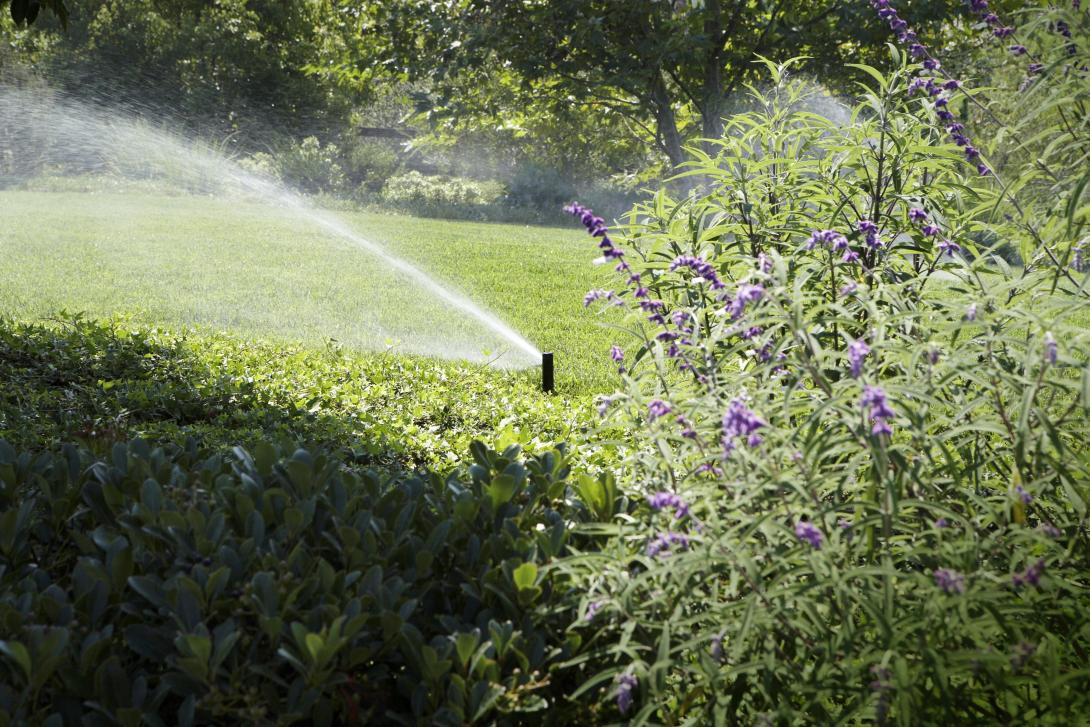
Ensuring that your irrigation system is operating properly is the first and most effective step toward reducing water use. Even small leaks can lead to significant water loss over time. While we regularly monitor and maintain the systems we manage, homeowners can also help by:
Converting spray (“pop”) zones to drip irrigation
in perennial and shrub beds, which can significantly reduce water consumption when installed and managed properly.
Upgrading older spray heads
to high-efficiency MP heads where applicable.
Letting us know immediately
if you notice broken irrigation heads or unusually wet areas on your property so we can address them quickly.
If you are a customer of Eagle River Water & Sanitation District
taking advantage of their water tracking tools and billing forecaster to better understand potential 2026 rates, surcharges, and how they may impact your landscape.
Operational Support:
Guidance from experienced professionals who understand the nuances of high-end estate and multi-property landscaping.
Annual Flowers
Annual flowers in containers—such as pots, window boxes, and hanging baskets—typically use only a small fraction of a landscape’s total water. If you enjoy annual color, containers are one of the most water-efficient ways to incorporate them.
When water agencies recommend reducing annual plantings, they are generally referring to annuals planted in the ground, which can require significantly more irrigation. If you are looking to meaningfully reduce water use, we recommend reducing or eliminating in-ground bedding annuals and replacing them with water-wise perennials.
Perennial Gardens
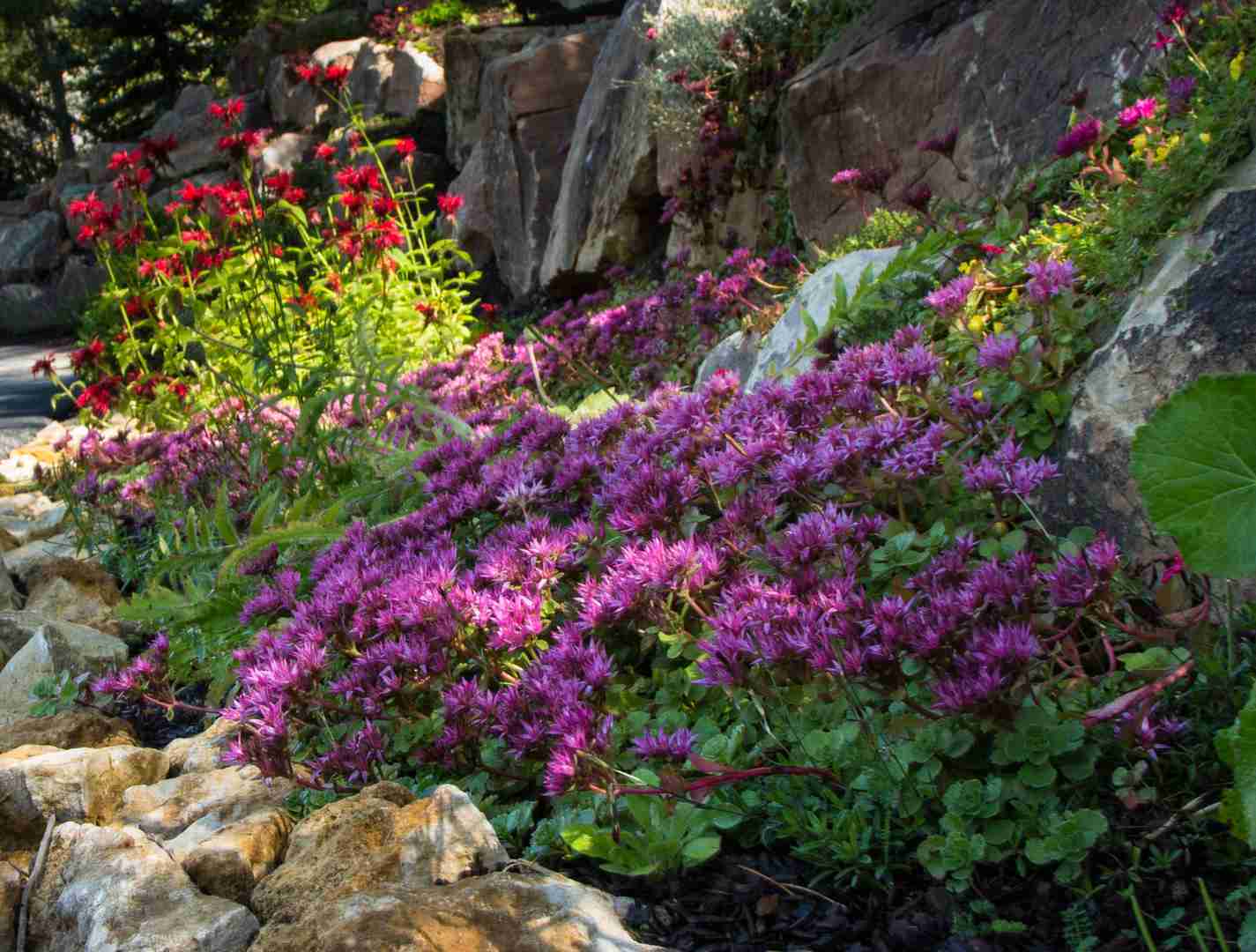
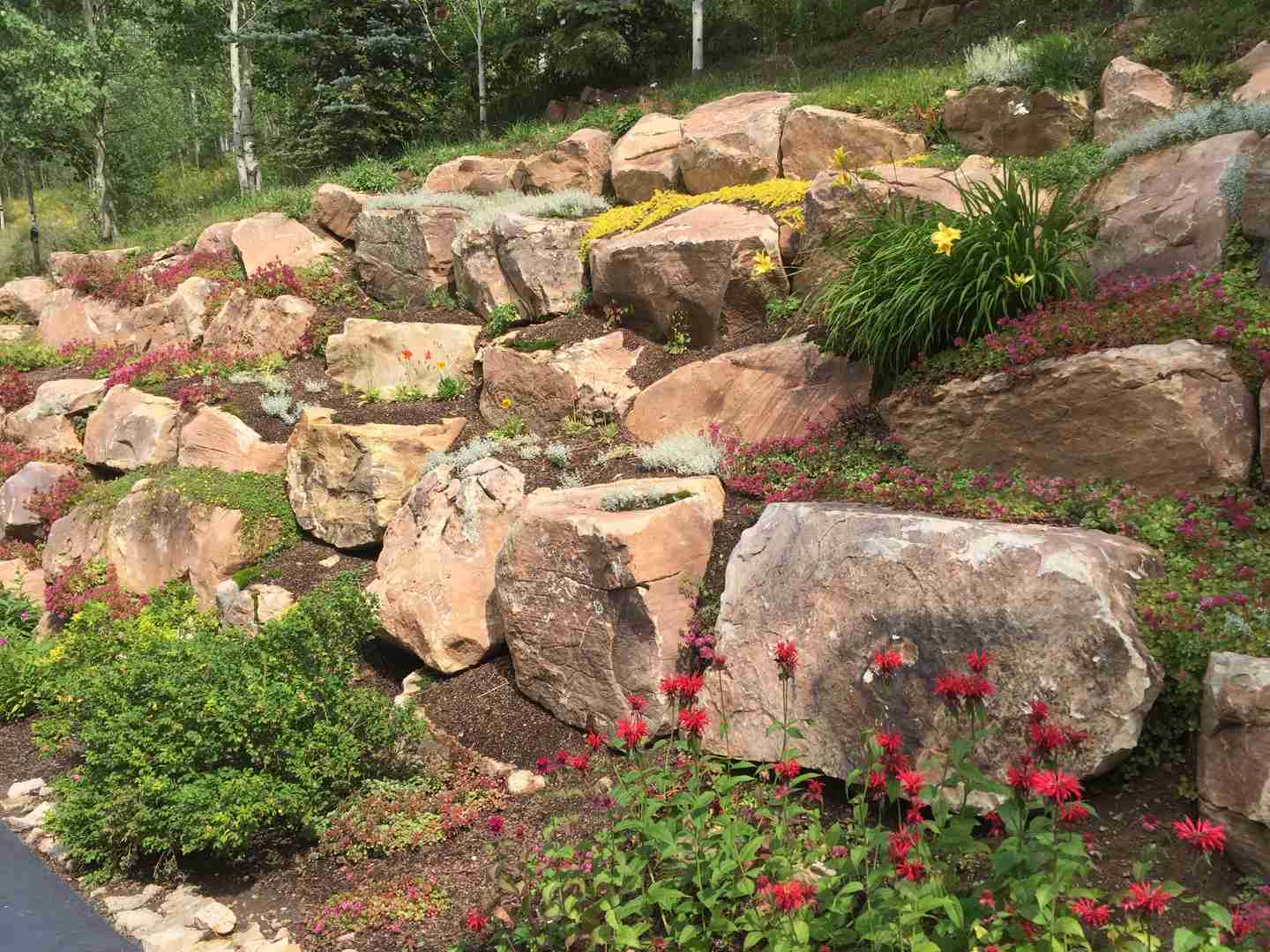
Perennial gardens are a great place to start when considering water reduction. While the term xeriscape sometimes brings to mind sparse landscapes, water-wise gardens can still be vibrant, colorful, and full of life when designed properly.
Selecting the right plants and irrigation setup is key. Options such as Coloradoscapes, rock gardens, crevice gardens, and native plant gardens can create beautiful, interesting landscapes that thrive in our mountain environment while using far less water. We would be happy to discuss ideas for transforming your gardens into attractive, water-efficient spaces.
Turf Areas
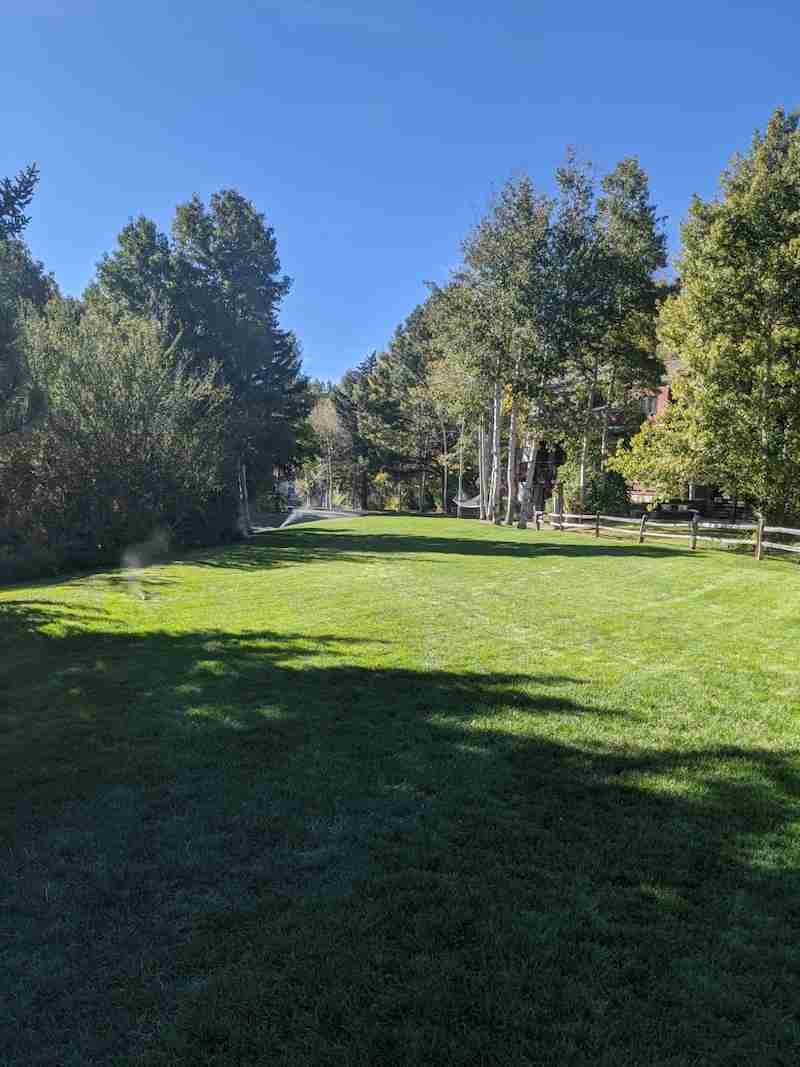
Traditional turf, particularly Kentucky bluegrass, is typically the largest water user in most landscapes. Bluegrass evolved in cooler, wetter climates that receive about 40–52 inches of annual precipitation, while our local communities receive much less—around 20–22 inches in Vail and 15–18 inches in Avon and Edwards. As a result, maintaining lush bluegrass here requires significant supplemental irrigation.
A few options to consider include:
Removing non-functional turf
such as lawn areas that are rarely used (side yards or narrow strips along driveways and roads).
Exploring water-wise turf alternatives
such as blue grama or low-growing native perennials like yarrow that provide usable green space with much lower water needs.
Letting us know immediately
if you notice broken irrigation heads or unusually wet areas on your property so we can address them quickly.
Allowing turf to go dormant during the hottest part of summer
if you’re looking for a short-term way to reduce watering this season. Bluegrass can often survive 6–8 weeks with minimal irrigation while dormant, though this is not a long-term solution if you want consistently green turf.
Additional Resources
For homeowners considering larger landscape changes, the Eagle County Conservation District’s Beyond Lawn program offers helpful guidance and potential rebates for turf removal projects. They are currently scheduling site evaluations, and both appointments and funding are limited, so we recommend signing up early if you are interested.
As always, please feel free to reach out if you would like to discuss irrigation upgrades, landscape changes, or water-efficient options for your property. We’re here to help you navigate the season while keeping your landscape both beautiful and responsible with water use.